
By Danielle Dufour
MBC News Freelance Correspondent
A carbon monoxide leak incident at an apartment building in Regina caused the death of an 11-year-old boy on Dec. 19. Another person is still in critical condition.
“The first line of defence in these types of incidents is obviously to have a working carbon monoxide detector,” Fire Chief Layne Jackson told reporters.
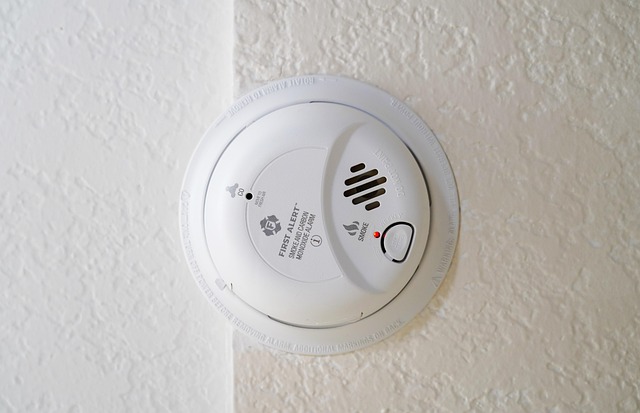
Regina Fire & Protective Services reminds residents to ensure they have a working carbon monoxide detector in their home.
They say detectors must be installed outside each sleeping area and on every level that contains a fuel-burning appliance.
It is important to monitor your carbon monoxide detector regularly, replace batteries as needed, and to never ignore an alarm.
Saskatchewan regulations require carbon monoxide detectors in all homes with fuel-burning appliances or attached garages.
Carbon monoxide (CO) is a colourless, odourless, and tasteless gas that is highly toxic and can lead to serious health issues or death if inhaled in significant amounts.
The primary source of CO indoors is the partial combustion of fuel used in household equipment and tasks.
Some common sources of CO in the home include gas appliances, such as gas stoves, fireplaces, or water heaters and furnaces.
Posted to the Technical Safety Authority of Saskatchewan website, “Too many Saskatchewan citizens die or become seriously ill due to carbon monoxide (CO) poisoning. While CO poisoning can have devastating effects, it is preventable. It is important to have a licensed contractor inspect all fuel-burning appliances once a year. You should also have CO alarms in case the gas is present.”
The service provider can confirm if the ventilation in the home is adequate for the appliance to ensure a safe environment.
According to the SaskEnergy website, “CO poisoning can happen to anyone, but some people are more susceptible than others. Elderly, infants, and those with heart or respiratory problems are more likely to experience effects of CO poisoning.”
Be aware
Signs of CO may include stuffy air, sudden formation of excessive moisture on windows and walls, soot build-up around appliances and vents, a yellow flame in a natural gas appliance instead of blue, fumes that smell like vehicle exhaust, poor upward draft from your fireplace or wood-burning stove or an odd odour, strange sounds, or gas-burning appliances that are running less efficiently.
If you have been exposed to CO, you may experience symptoms of headaches, dizziness or confusion, nausea and vomiting, and difficulty breathing.
Greater exposure could lead to memory loss, vertigo, chest pains, loss of vision or consciousness, and ultimately death.
How to protect yourself
To prevent CO incidents, you can install CO detectors in key areas of the home, near sleeping areas, to alert you if there is a leak.
If the CO alarm goes off, leave the home or building and call 911 or SaskEnergy’s 24-hour emergency line, 1-888-700-0427, to get help.