
As local sports leagues kick off their fall seasons, an upcoming community event in Saskatoon is encouraging parents, coaches, and organizers to take a closer look at the culture surrounding hockey and other youth sports.
On Thursday, September 17, The Roxy Theatre will host a public screening of Code of Misconduct, an 88-minute documentary examining the legal proceedings, media coverage, and cultural reckoning linked to the Hockey Canada sexual assault investigation.
Following the film, attendees will participate in a panel discussion featuring local social workers, counsellors, legal professionals, and survivor advocates.
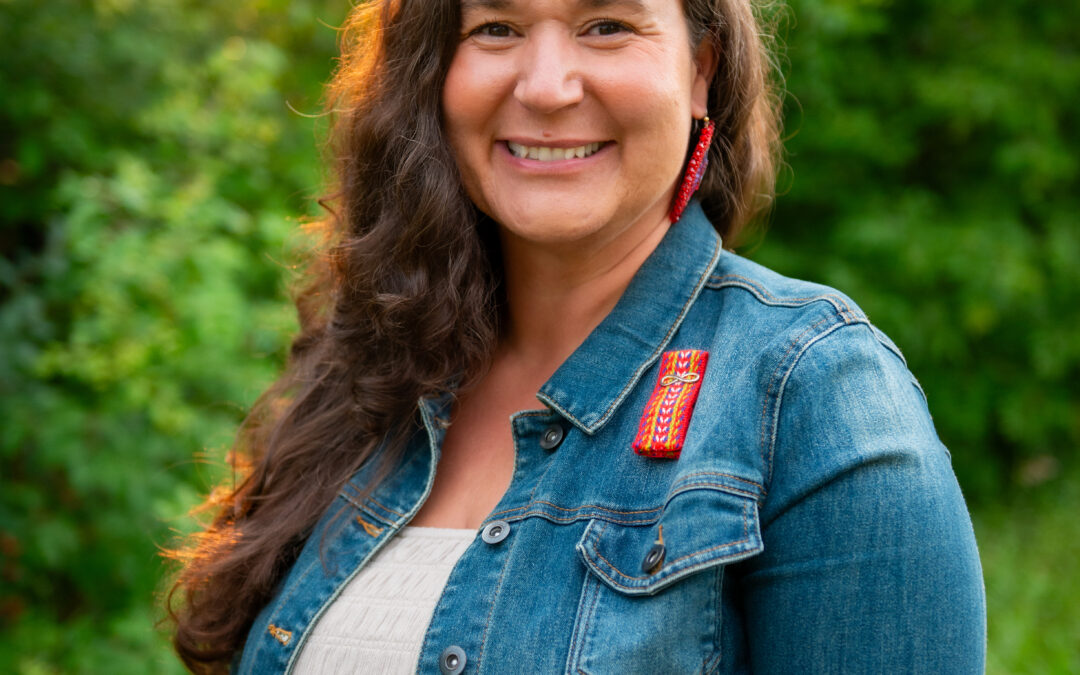
For event co-organizer Ashley Breland—a local social worker, business owner, and hockey parent—bringing the film to Saskatoon is about turning uncomfortable conversations into constructive change.
“When young boys repeatedly receive messages that toughness matters more than vulnerability, or that sexualized or misogynistic behavior is just ‘locker room talk,’ those messages don’t stay within the rink,” Breland said. “We need to have a more expansive understanding of what it means to be a strong man—where compassion, empathy, and respect are key components.”
Breland notes that while examining Canada’s national pastime can draw hesitation, staying silent prevents progress.
“To criticize hockey in a way is often seen as anti-Canadian in a lot of discourse,” Breland explained. “When you shake up an uncomfortable conversation, it pulls at identity. But for me, the question has never just been about individual players—it’s about what messages organizations send through the choices they make.”
The screening arrives at a moment when discussions surrounding accountability in Canadian hockey remain front and center in the public sphere.
Last week, the Edmonton Oilers announced the signing of Alex Formenton, one of the 5 former members of Canada’s World Junior Hockey Team acquitted of sexual assault at a high-profile last summer.
Formeton’s signing by the Oilers renewed conversation around organizational accountability.
Breland says that sports bodies frequently promote initiatives aimed at growing the game among young women and girls, making organizational accountability even more critical.
“It’s really reasonable for people to be asking what accountability looks like, and what organizational responsibility looks like,” she said when speaking on the Formenton signing.
Organizers hope attendees leave the event not only with a deeper awareness of gender-based violence and consent, but with practical tools to foster safer, healthier environments in local sports organizations.
“This conversation is a collective responsibility; it shouldn’t just be up to one person,” Breland said. “I would encourage people to flex their curiosity and join us. Even through discomfort, there is hope that we can change sports culture for the better.”