By Steven Sukkau
Local Journalism Initiative Reporter
Winnipeg Sun
Manitoba is reporting additional cases of hepatitis A linked to an ongoing provincial outbreak, as health officials expand vaccine eligibility and urge residents to remain vigilant.
As of Feb. 2, 2026, there have been 350 locally acquired cases of hepatitis A associated with the outbreak, according to provincial public health. Earlier figures showed 308 cases as of Jan. 18, with more than three-quarters diagnosed in the Northern Health Region.
The largest number of cases have been reported in the Island Lake area, including Garden Hill, St. Theresa Point, Wasagamack and Red Sucker Lake. A cluster has also been identified in Peguis First Nation. In recent weeks, public health has reported increasing cases among people experiencing homelessness, particularly those using shelters in Winnipeg.
Hepatitis A is an acute liver infection caused by the hepatitis A virus. It spreads primarily through contact with an infected person’s feces or by consuming contaminated food or water. It can also be transmitted through certain forms of sexual contact or by sharing needles.
Symptoms can include fever, loss of appetite, fatigue, nausea, vomiting, stomach cramps and diarrhea. Dark urine, clay-coloured stools and jaundice — yellowing of the skin and eyes — may also occur. Some people, particularly young children, may have no symptoms.
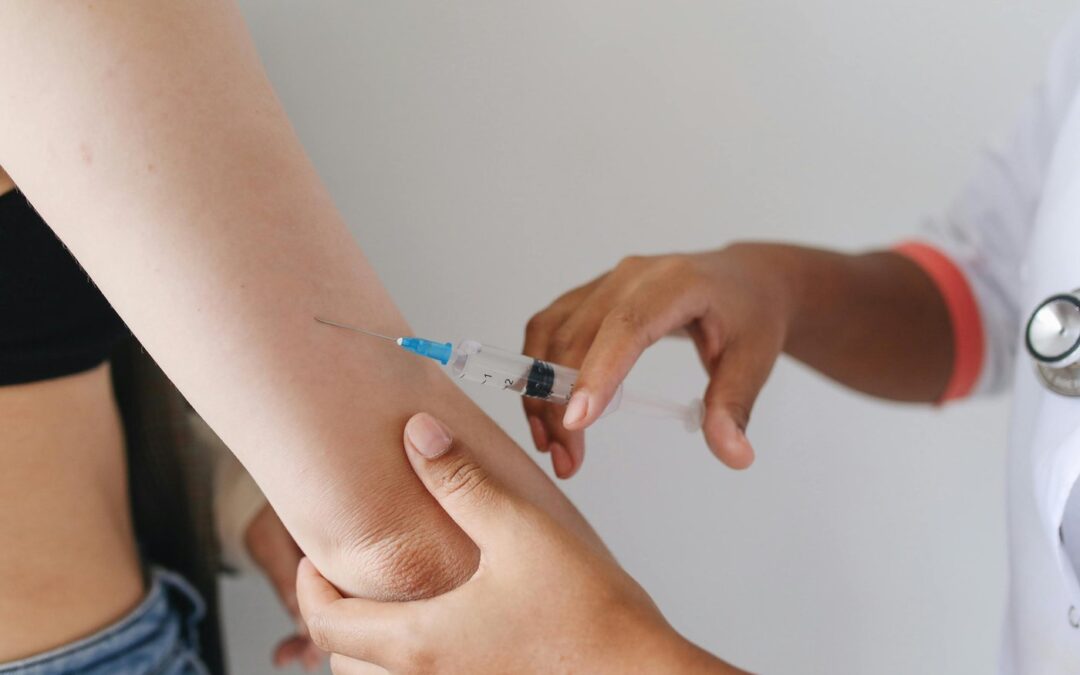
Public health officials say the overall risk to the general public remains low, but vaccination is the most effective way to prevent infection.
Outbreak-related vaccine eligibility has been expanded in recent months. All community members aged six months and older in the Island Lake communities became eligible for a dose in May 2025. As of February 2026, eligibility has also been extended to all community members of Peguis First Nation, as well as anyone travelling to or working in those communities and individuals who have household visitors from those areas.
Under the current outbreak response, one dose of hepatitis A vaccine is recommended for eligible individuals. Provincial health officials noted in a recent letter to health-care providers that while earlier communications referenced two doses, the priority is to administer as many first doses as possible. The first dose provides strong protection for at least a decade, and the need for a second dose will be reviewed in the future.
In a separate letter dated Feb. 6, the province clarified that people experiencing homelessness — including those using shelters or living in encampments — are eligible to receive two doses of hepatitis A vaccine under Manitoba’s publicly funded high-risk immunization program. That eligibility is not time-limited.
“The Northern Regional Health Authority continues to work closely with provincial public health partners and affected communities to support prevention efforts, provide follow-up where needed, and ensure eligible individuals are identified and supported in response to hepatitis A activity,” a Northern Health Region spokesperson said in a statement.
Within communities served by the Northern Health Region, officials say case numbers remain very low outside of identified clusters. To protect patient privacy in smaller communities, additional community-level details are not being released.
In addition to vaccination, public health officials are urging Manitobans to take preventative measures, including thorough handwashing after using the toilet or handling diapers and before preparing food, following safe food practices, practising safer sex and avoiding the sharing of needles or syringes.