
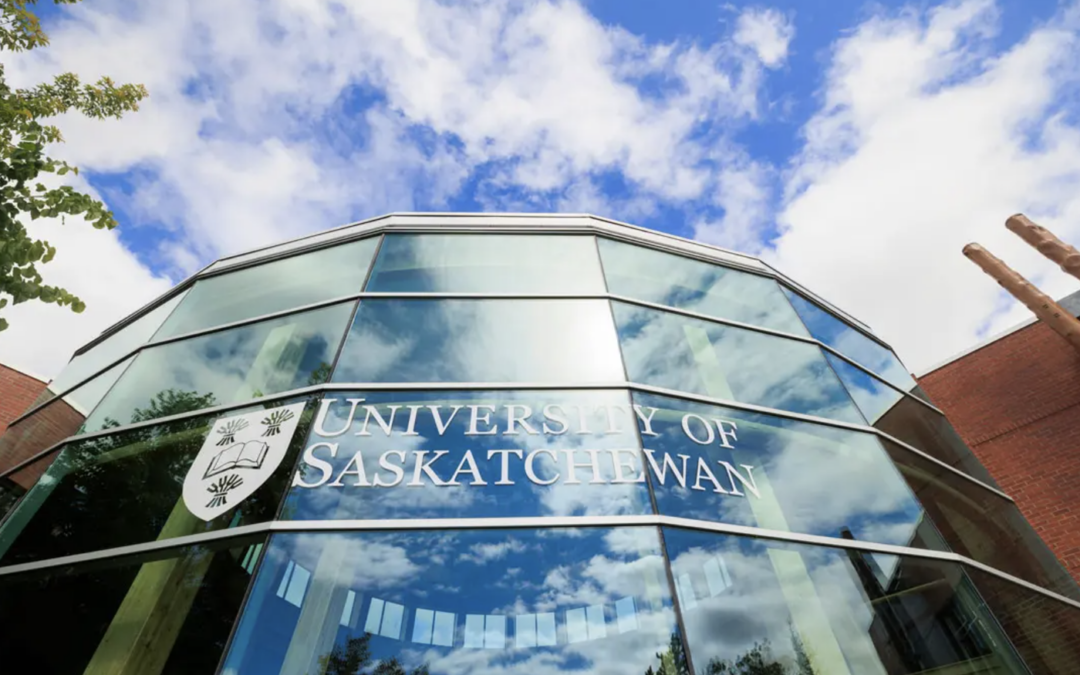
Photo: The University of Saskatchewan failed to make the case that an access to information request was without merit, the provincial information and privacy commissioner said in an Aug. 25 decision.
By Ghazal Azizi Kashi,
Local Journalism Initiative Reporter
Investigative Journalism Foundation
In July, the University of Saskatchewan received an access to information (ATI) request to release recent purchasing records, which it deemed “frivolous” and asked the province’s information and privacy commissioner to dismiss.
Commissioner Grace Hession David, however, ruled that the university’s refusal would deny that applicant’s access to information rights, according to a decision published on Aug. 25.
USask had taken issue not with the release of purchasing records requested, but with what the applicant intended to do with the information. In their records request, the applicant had identified themselves as working for a company and stated that they “would like to use this information for commercial purposes.”
“They are interested in acquiring data so they can sell it for profit,” USask argued to the commissioner in its application to disregard.
“USask acknowledges that the identity of the applicant, and their intent or motivation in making a request should generally not be considered when processing a request. But, where it is known that the applicant is a private, for-profit corporation only making a request for commercial gain, that ought to be taken into account.”
The university also asserted that the request served no public interest, and would consume considerable public resources.
David wrote in her decision that removing or interfering in a person’s “quasi-constitutional right” to information was a serious matter, and the university’s opinion on the merit of the application wasn’t a good enough reason to withhold records.
There is no requirement in Saskatchewan that a person disclose what they intend to do with records released through ATI legislation, and those details can’t be held against them if known.
“Even commercial purposes serve as a lawful reason for an access request. A commercial purpose cannot be equated with an improper or bad faith purpose such as harassment or fraud,” David wrote.
“The use to which the information will be put is not part of the overall consideration of the access request.”
Investigative journalist Dean Beeby has been a frequent user of freedom of information legislation over his 40-year career. He expressed relief at the commissioner’s decision and found USask’s argument for withholding the records to be “arrogant.”
“I’m so glad we have this backstop in the system because if institutions can decide who to and who not to respond to because of their appreciation of their motivation, well, then the game’s over,” Beeby told the IJF. “FOI only works if no account is taken of why the information is being requested.”
In support of “so-called commercial requestors,” Beeby argued that even journalists can be classified as commercial users of freedom of information legislation.
“Many of us use FOI-derived information to write compelling stories, which attract readers, who then pay subscriptions, and help IJF and other newsrooms grow and prosper,” he said.
The sought-after documents in the FOIP request were the university’s purchasing records. Although there is information in procurement processes that Beeby agrees can be legitimately excused from disclosure to keep competition between bidders, he finds that the concern over commercial secrets is often abused to deny records.
“If you’re a supplier of a good or service and you want to do business with the government, you have to accept a level of transparency that does not exist in the private sector,” said Beeby.
“If you don’t like that, don’t bid on public goods and services, because that’s how our democracy works.”
USask has 30 days from the date of the decision to process the request for its purchasing records.