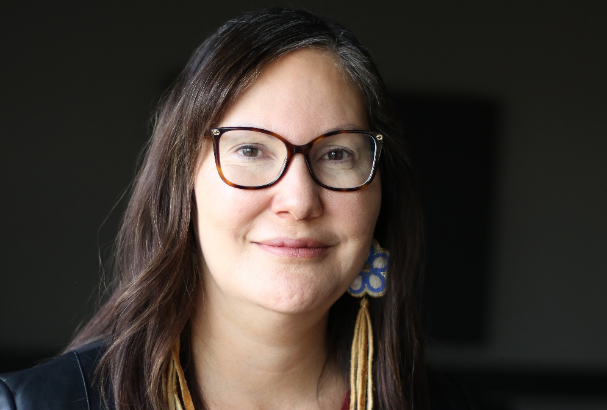
As First Nations across Saskatchewan and Alberta prepare to mark the 150th anniversary of Treaty 6, Office of the Treaty Commissioner head Dr. Kathy Walker says the milestone is both a solemn commemoration of unfulfilled promises and a celebration of First Nations survival.
Preparations are underway for a massive gathering at historic Fort Carlton where Treaty 6 was originally negotiated and signed in 1876.
Exactly 150 years ago, eyewitness accounts recorded roughly 2,000 people gathering at the site.
Today, representatives from across the 54 First Nations within Treaty 6 territory are returning to share their distinct histories.
“Treaty 6 involves 54 First Nations, and each of these nations has its own distinct treaty history,” said Dr. Walker in an interview with MBC News. “A lot of those nations are planning to come to Fort Carlton, set up a tipi, and share that history. It’s going to be such a unique opportunity for learning.”
Commemoration vs. Celebration
With various events taking place across the territory, a central discussion leading up to the milestone has been the distinction between “commemorating” and “celebrating” 150 years of treaty history.
Dr. Walker emphasized that the milestone carries heavy historical weight due to oppressive colonial policies enacted shortly after the treaty was signed—most notably the Indian Act and the residential school system.
“We are dealing with the legacy and a history of colonial policy that really undermined and violated what was agreed to under the treaties,” Walker explained. “The Indian Act was passed the same year that Treaty 6 was agreed to… It was all about control and domination of First Nations people. That’s why a lot of people will say, ‘Yes, let’s acknowledge and commemorate 150 years of treaty, but let’s not call it a celebration because there’s still so many things and this legacy that needs to be addressed.'”
However, Walker noted that many First Nations leadership and community members also view the milestone as a victory of endurance.
“It is a celebration because we are still here as First Nations people,” Walker said. “If you think about colonial policy over the last 150 years really being about trying to eradicate First Nations, and the fact that attempt has been unsuccessful… that is something to celebrate. Nations are getting stronger and stronger every day.”
Intergenerational Connection
The upcoming gathering at Fort Carlton is heavily focused on community collaboration and intergenerational knowledge transfer. First Nations are supporting one another with logistics—such as Sturgeon Lake First Nation lending tipis to Whitefish Lake First Nation in Alberta—while Elders from across Western Canada prepare to share cultural teachings directly with youth.
For Dr. Walker and the Office of the Treaty Commissioner, supporting the First Nation-led initiative has created a demanding schedule, but one she describes as a “good busyness.”
“It’s something that only comes once every 150 years, so it’s totally worth it,” Walker said. “I hope listeners plan to come to the gathering at Fort Carlton, or at least take some time to reflect on the significance of 150 years of treaty and what it means to really live and uphold the treaty relationship.”