
Saskatchewan has signed a new agreement with Poland aimed at expanding cooperation in nuclear energy development, workforce training and research.
Premier Scott Moe signed the memorandum of understanding during the province’s ongoing trade mission to Europe.
The agreement focuses on collaboration in nuclear workforce development, research and innovation, supply chain opportunities and future partnerships related to nuclear energy projects.
“Saskatchewan is proud to partner with the government of Poland as we work together to strengthen energy security, support innovation and build the skilled workforce needed for the future,” Moe said.
The province says the agreement aligns with Saskatchewan’s plans to develop both small modular reactors and larger-scale nuclear generation as part of its long-term energy strategy.
Officials in Poland say the partnership will support efforts to address growing energy demands while advancing clean energy development.
“The goal is to develop human resources and market cooperation, including the creation of platforms for joint educational, scientific and professional collaboration,” said Adam Struzik, a representative of the Polish government. “It is crucial to respond to the growing energy needs of regions and cities by strengthening research potential and developing the infrastructure of small modular reactors in Poland and Canada.”
The agreement also builds on growing trade ties between Saskatchewan and Poland. The province says exports to Poland have increased by 3,500 per cent over the past five years, rising from $2.2 million in 2021 to $79 million in 2025.
Cameco CEO Tim Gitzel welcomed the announcement, saying Saskatchewan and Poland are both exploring clean, reliable nuclear energy.
“At Cameco, we demonstrate that nuclear is a global business that best serves people and communities through collaboration, knowledge sharing, trade relationships and supply chain opportunities,” Gitzel said.
Saskatchewan is home to some of the world’s largest high-grade uranium deposits and remains a global leader in uranium production.
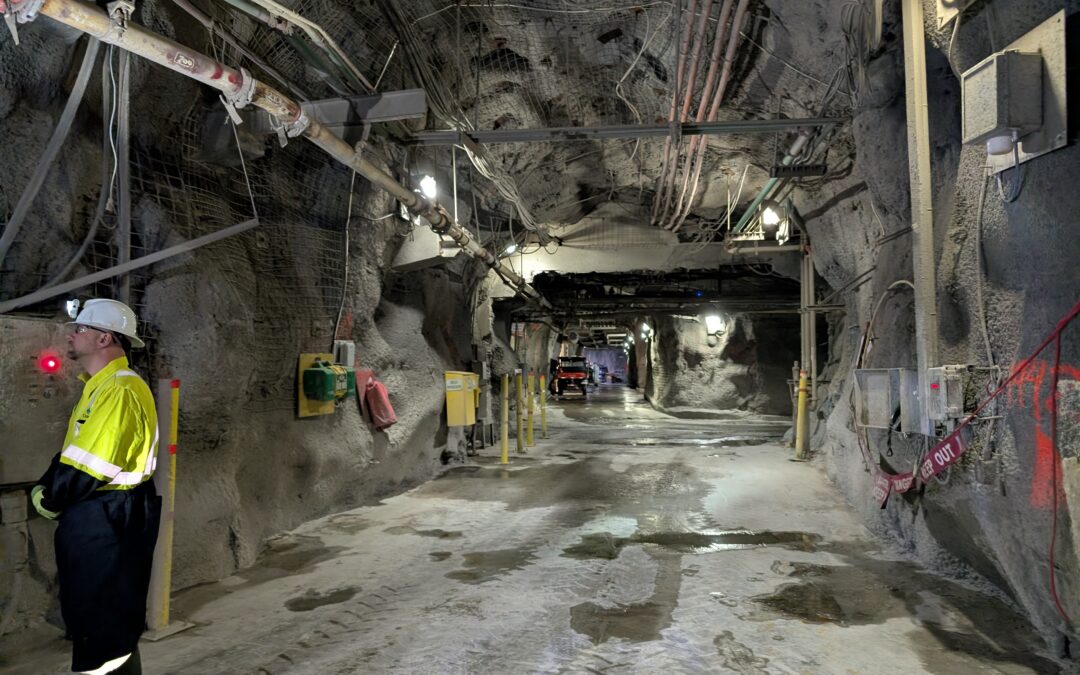
(TOP PHOTO – A photo of the Cigar Lake mine in northern Saskatchewan. Photo by Joel Willick)