The band said an immediate step would be adopting a one-parent rule while broader reforms continue.
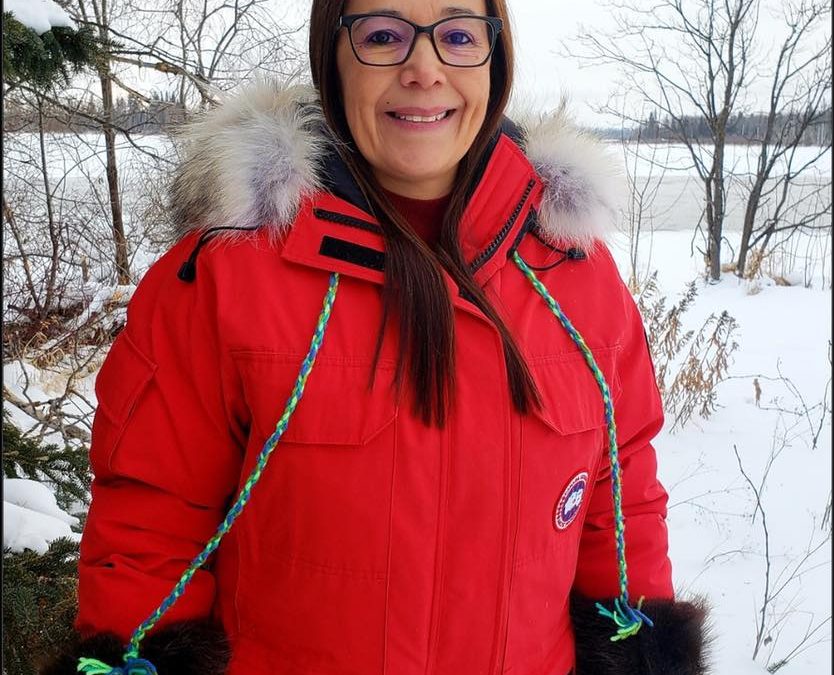
“Our people are our people. No law should tell us otherwise,” said Chief Tammy Cook-Searson. “The one-parent rule is a practical and immediate step Canada can take now while broader reform continues.”
The response follows comments from the office of Indigenous Services Minister Mandy Gull-Masty, which indicated Ottawa is considering options beyond the one-parent approach outlined in Bill S‑2, with additional engagement expected later this summer.
While LLRIB supports consultation with First Nations, it said the process must not delay action on what it describes as known inequities within federal registration rules.
At the centre of the issue is the second-generation cutoff, introduced in 1985, which restricts some individuals from passing Indian status to their children after two consecutive generations of parenting with non-status partners.
LLRIB said the policy has long-term consequences for families and communities, including impacts on identity and access to programs and services. The band added that the rules have led to differing status outcomes within the same families and could result in future generations no longer qualifying for status.
“This rule has divided families and denied children their identity,” Cook-Searson said. “It tells some of our children they belong, and others that they do not.”
The band also pointed to recent engagement sessions with Elders, leadership and members, where participants expressed strong backing for a one-parent rule. Under that approach, a child would be eligible for status if one parent is entitled to registration.
According to the minister’s office, Bill S‑2 would restore status to about 3,500 people, with broader consultations on the second-generation cutoff planned for the coming months.
LLRIB maintains that the federal government is already aware of the harm caused by the current system and says reform must move forward without delay. The band also noted that changes should be accompanied by funding levels that reflect the full population of First Nations communities.
“We will always assert our inherent right to determine our own membership,” said Cook-Searson. “But while Canada continues to control registration under its laws, it has a responsibility to ensure those laws are fair. Ending known discrimination cannot wait.”