By: Aaron Walker
Local Journalism Initiative Reporter
Windspeaker.com
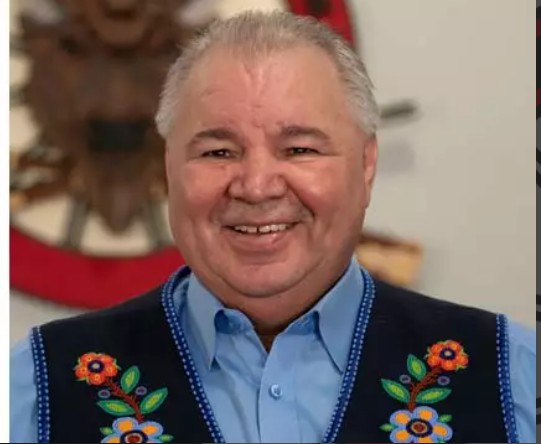
The president of the Manitoba Métis Federation (MMF) says misinformation and political fearmongering are driving growing opposition to Bill C-21, as legislation to enact the Red River Métis self-government treaty continues to move through Parliament.
First Nations leaders who oppose the legislation, however, argue the issues with C-21 run far deeper, raising concerns about treaty authority, consultation, identity, and who has the right to negotiate jurisdiction over traditional territories.
Bill C-21, which received second reading in the House of Commons on April 22, would give legal effect to the Red River Métis Self-Government Recognition and Implementation Treaty between Canada and the MMF, the national government of the Red River Métis.
For MMF President David Chartrand, the moment represents the culmination of generations of political advocacy dating back to the creation of Manitoba.
“It’s 156 years later,” Chartrand told Windspeaker. “This promise of a treaty was made to our people as we joined and helped bring Manitoba into Confederation.”
Chartrand said Red River Métis leadership supported the establishment of the numbered treaties with First Nations before Manitoba entered Confederation, describing the process as part of a broader effort to bring stability to the Prairies.
He said the treaty process reflects decades of work toward formal recognition of Red River Métis self-government, including the authority to govern internal matters through Métis laws, institutions, and systems.
The legislation follows years of consultations with MMF citizens and the treaty’s ratification during a 2023 special assembly. As Bill C-21 advances through Parliament, however, opposition from some First Nations leaders and organizations continues to grow.
Assembly of First Nations National Chief Cindy Woodhouse Nepinak has called on the federal government to withdraw the legislation, arguing that First Nations were not adequately consulted and raising concerns about overlapping jurisdiction involving lands, harvesting rights, and governance.
“The undefined territorial scope of the Red River Métis within the bill would set the stage for expansive Métis jurisdiction over areas that conflict with the existing rights and jurisdiction of First Nations,” Nepinak said in an April 23 statement. “This piece of legislation must not proceed until First Nations voices are heard and our rights are respected, protected and upheld.”
Chief Scott McLeod, Lake Huron Regional Chief for the Anishinabek Nation, said Ontario First Nations are particularly concerned about what they view as Canada negotiating treaties “over top of existing treaties” without the consent of the original First Nations connected to those territories.
“If there’s to be any recognition given and any treaty signed over territorial issues, it should be with the original people of the land,” Chief McLeod told Windspeaker.
He argued the federal government does not have the authority to create new treaty relationships affecting First Nations territories without direct consultation and agreement from the nations already connected to those lands.
“If treaties are the foundation of this country and Canada is breaching them, then we have some serious problems,” he said.
The concerns come amid longstanding disputes over Métis identity, self-government, and expanding Métis homeland claims in Ontario, particularly involving the Métis Nation of Ontario and several disputed historic Métis communities.
Chief McLeod said Ontario First Nations remain concerned Bill C-21 could become a precedent for future Métis recognition efforts tied to groups they do not believe meet the historical or nation-based criteria associated with Métis nationhood. He argued that distant Indigenous ancestry alone does not constitute Métis nationhood or constitutionally protected Indigenous identity.
“Their claims are simply based on a blood connection to our communities dating back to the 1700s,” he said. “That doesn’t make them a nation. It doesn’t make them Métis.”
Chartrand, meanwhile, said the MMF shares many of the same concerns surrounding what he described as expanding Métis homeland claims in Ontario.
“We both believe that the people in Ontario who are claiming to be Métis are not our people,” he said. “We can go back hundreds of years and you will not find a trace of a connection between the Red River Métis and the new historical Métis people of Ontario.”
Chartrand said the MMF’s treaty negotiations are specific to the Red River Métis and should not be interpreted as validating broader Métis claims elsewhere. He also argued constitutionally protected Métis rights in the Prairie provinces are already established under Section 35 of the Constitution.
Against that backdrop, Chartrand said many of the concerns being raised about Bill C-21 stem from misunderstandings about what the treaty actually contains.
“Nowhere in our treaty is there any reference to hunting rights,” he said. “There’s nothing in the treaty about land claims or a hierarchy of rights. None of that is true.”
He repeatedly described the criticism as “misinformation” and accused some political leaders of using the controversy to advance broader political agendas and disputes involving Indigenous governance.
Chartrand said much of the misinformation stems from recent legal and constitutional debates surrounding First Nations rights and private property — particularly following the 2025 Cowichan Tribes v. Canada decision in British Columbia. He said some politicians, including Conservative MP Billy Morin, former chief of Enoch First Nation, along with several organizations, have used the court decision to suggest Indigenous treaties or self-government agreements could threaten private land ownership or create uncertainty around property rights.
“They’re misinforming their people about what this treaty is and what it actually says,” Chartrand said.
MMF plans to increase public education efforts surrounding the treaty, arguing a straightforward reading shows it does not affect First Nations harvesting rights, land ownership, or constitutional standing, he said.
“Hunting rights and natural resource rights derive from Section 35 in the Constitution,” he said.
“That has nothing to do with this treaty. It’s already protected in the Constitution.”
Chartrand argued the legislation does not create new harvesting rights but instead formalizes governance arrangements that already exist constitutionally, he said. The Red River Métis are already exercising forms of self-government through Métis harvesting laws, internal courts, elections, and governance systems administered by the MMF, while future jurisdiction could extend into areas such as child and family services.
“That’s what the self-government treaty is about,” he said. “The right to govern ourselves based on our culture and our priorities.”
The C-21 debate has also unfolded against longstanding tensions between the MMF and other Métis political organizations involving citizenship, governance, and homeland boundaries.
Those tensions intensified in 2020 after the Métis National Council suspended the Métis Nation of Ontario over disputes involving claimed historic communities and the expansion of the recognized Métis homeland.
Chartrand said identity issues remain one of the biggest challenges facing Métis governments nationally.
“There are people today stealing the Métis identity,” he said. “We are the true Red River Métis. We were built in the Prairies, we come from the Prairies, and we belong in our historical homeland in the Prairies.”
While much of the public debate has focused on potential jurisdictional overlap between First Nations and Métis governments, Chartrand argued that overlapping authority already exists across Canada among governments, industries, municipalities, and Indigenous communities.
He said overlapping jurisdictions are neither new nor unique to Indigenous governments, pointing to existing overlaps involving governments, industry, parks, treaty territories, and private land ownership.
“There will have to be dialogue between the Ojibwe, the Cree, the Mohawks, the Sioux — all the nations (that share interconnected histories and territories),” he said. “We shared land, and we did it before in the 1800s. Why can’t we do it again in the new millennium?”
Chartrand argued Indigenous nations historically shared territory and resources long before Confederation and said the larger challenge today is ensuring traditional practices remain possible for future generations as environmental pressures, industrial development, and shrinking access to land continue to affect harvesting areas across Canada.
Chartrand said disputes involving shared harvesting areas, including traditional gathering sites such as Kettle Hills in Manitoba, should be addressed through cooperative approaches focused on protecting wildlife, medicines, fisheries, and harvesting areas for future generations.
“That’s what chiefs should be worried about,” he said. “How do we preserve the future so the moose population remains strong enough for our people to continue practising their culture? … We need to work together to preserve the future of harvesting for our people. We need to work together to protect the environment we have a responsibility to preserve.”
Chief McLeod, however, said his concerns remain focused primarily on treaty process and recognition issues affecting Ontario First Nations rather than specific overlap disputes in Manitoba. He reiterated that First Nations connected to the original territories must be directly involved in any discussions involving jurisdiction, recognition, or treaty relationships affecting those lands.
He said the larger concern for Ontario First Nations is that governments are recognizing groups they believe lack legitimate nationhood or territorial standing.
Despite criticism from some Indigenous political organizations, Chartrand said many First Nations leaders continue to privately support the MMF and maintain strong working relationships with the organization, with several chiefs distancing themselves from broader statements opposing Bill C-21.
Chartrand also pointed to the MMF’s longstanding support for First Nations treaty land entitlement expansions in Manitoba, arguing the organization has consistently backed First Nations economic and territorial initiatives.
“They’ve made it clear those organizations do not speak on their behalf,” Chartrand said. “We’ve built those relationships through trust and time.”
The legislation must go through committee review, additional readings, and the Senate before potentially receiving Royal Assent. If passed, the treaty would replace the 2021 self-government recognition agreement between Canada and the MMF and become constitutionally protected.
For Chartrand, Bill C-21 represents the long-delayed fulfillment of a historic promise tied to Red River Métis self-government and constitutional recognition.
For Chief McLeod and many First Nations leaders, however, the legislation raises deeper unresolved questions about treaty authority, identity, consultation, and whether governments can negotiate Indigenous jurisdiction without the consent of the original nations connected to those territories.
Windspeaker.com