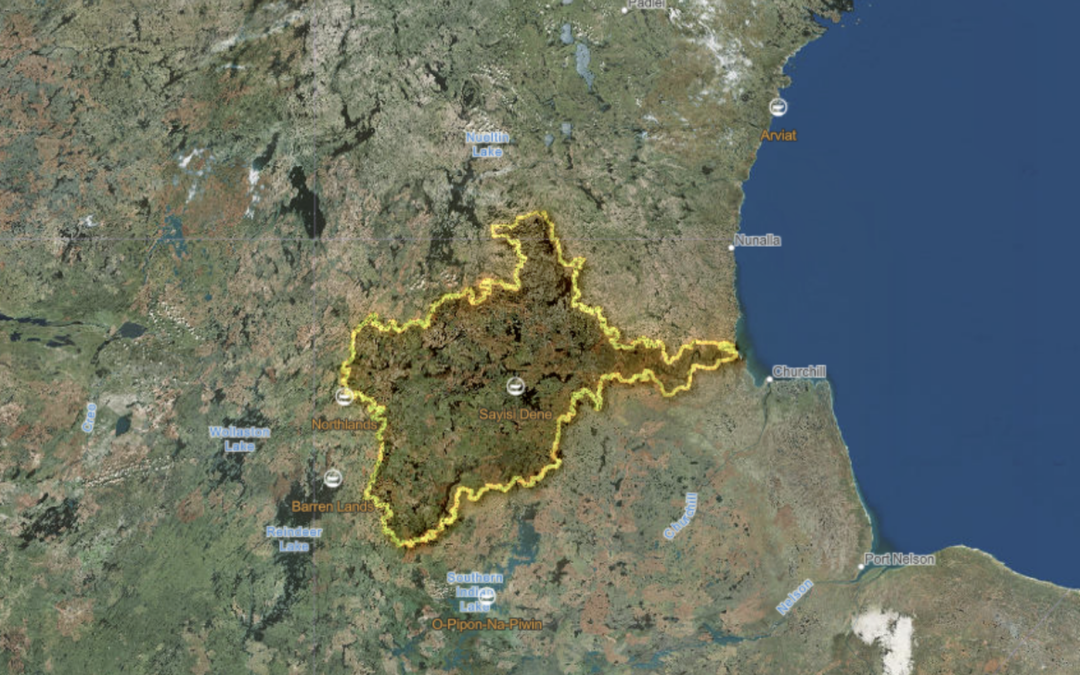
Photo: The Manitoba Wildlife Federation welcomed a new federal conservation strategy that includes the Seal River Watershed, while calling for protected areas that balance environmental protection with public access and sustainable use. Photo courtesy Seal River Watershed website. / Supplied photo
By Steven Sukkau
Local Journalism Initiative Reporter
Winnipeg Sun
The Manitoba Wildlife Federation says it is encouraged by a new federal conservation strategy that includes advancing protection of northern Manitoba’s Seal River Watershed, while emphasizing the need for balanced, accessible land use as details of the proposal take shape.
The federation’s response follows a March 31 announcement by Prime Minister Mark Carney outlining a $3.8-billion national nature strategy aimed at conserving 30 per cent of Canada’s lands and waters by 2030. The plan includes support for new national parks, marine conservation areas and Indigenous-led initiatives such as the proposed Seal River Watershed National Park.
In a statement, the federation said it supports conservation efforts but stressed the importance of maintaining access and sustainable use.
“We support protected areas … and will continue to advocate for protected areas that balance environmental protection with sustainable use,” the organization said, adding such areas should continue to provide “social, cultural, and economic benefits for all Manitobans.”
The group said it looks forward to reviewing more detailed plans as they are developed and expressed interest in working with the Seal River Watershed Alliance as a contributing partner.
It also welcomed what it described as the alliance’s support for an “access-for-all” model, referencing a recent social media post from the group.
The Seal River Watershed Alliance, formed by four northern First Nations, has been advocating for the creation of an Indigenous Protected and Conserved Area in the region. The alliance has said the initiative is rooted in Dene and Cree laws and values and would support conservation while allowing for public access, including hunting.
In its own response to the federal announcement, the alliance said it welcomed the possibility of future funding tied to the project and reiterated its commitment to protecting the watershed for future generations.
The proposal, however, has been the subject of recent tensions between the two organizations.
In a February letter to federal Environment Minister Julie Dabrusin, the alliance accused the federation of making inaccurate and misleading claims about governance, public access and its engagement with stakeholders.
Among other points, the alliance rejected suggestions that the proposed protected area would eliminate public access, stating it supports continued recreational use, including licensed hunting. It also defended its governance structure as representative of First Nations leadership.
The federation has not directly responded to those allegations but has reiterated its support for collaborative conservation approaches that include public access and shared stewardship.
Federal officials say the broader strategy will expand protected areas across the country, including advancing the Seal River Watershed proposal in Manitoba, as part of Canada’s international biodiversity commitments.