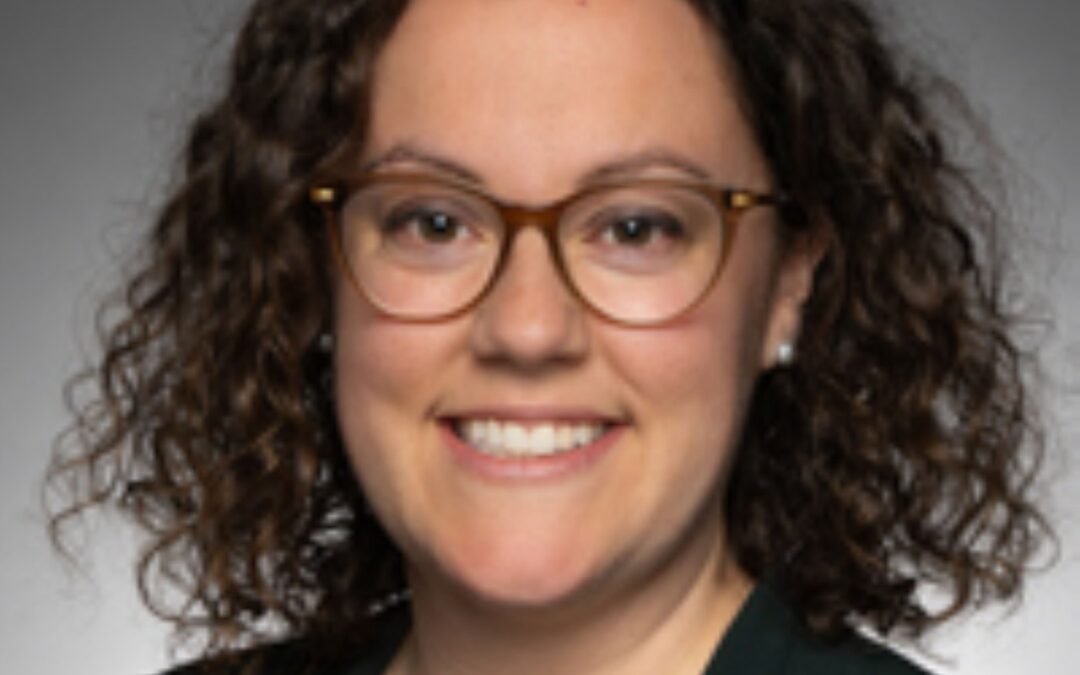
Photo: Rebecca Alty, Minister of Crown-Indigenous Relations and Northern Affairs, left a three-day visit in Cape Breton last week with words of advice about the cannabis tensions in Nova Scotia. She suggested provincial and Mi’kmaq leaders get together, sit down and discuss the issues. SUPPLIED
By Rosemary Godin
Local Journalism Initiative Reporter
Cape Breton Post
The Minister of Crown-Indigenous Affairs visited Cape Breton last week and was forced to dip her toe into the smokey waters of the cannabis tensions between Mi’kmaq and the provincial government.
“I encourage the province to sit down with First Nations and find a way forward,” she said. “Because in discussions I had with both Membertou and Eskasoni, they were talking about looking to put in regulations and then working with the province to ensure that they’re adhered to.’
She said she suggests that the Mi’kmaq and the province sit down to discuss all the issues and the different ways they can be resolved.
“Because in discussions with chiefs across the Atlantic region on this issue, they have ideas on how they would like it to be addressed,” Alty said. “They want to put in some regulations, and so, I really encourage the province to work with them on these issues.”
Alty was in Unama’ki to make announcements about the expansion of land for the Membertou reserve and the expansion of land and retail opportunities for Eskasoni.
RAIDS ACROSS N.S.
On March 3, the RCMP conducted raids on four cannabis dispensaries in Nova Scotia: three in Cape Breton and the fourth in Digby.
This prompted the Assembly of Nova Scotia Mi’kmaw Chiefs to say in a public letter that they want to make themselves clear – once again.
“In December and again now, we affirm our right to self-governance and self-determination,” Assembly co-chair Chief Leroy Denny of Eskasoni said last week after the raids. “The provincial government giving directive to the RCMP and then having the RCMP respond with raids rather than discussions with community, chiefs and councils, only further deteriorates our relationships with these Crown entities.”

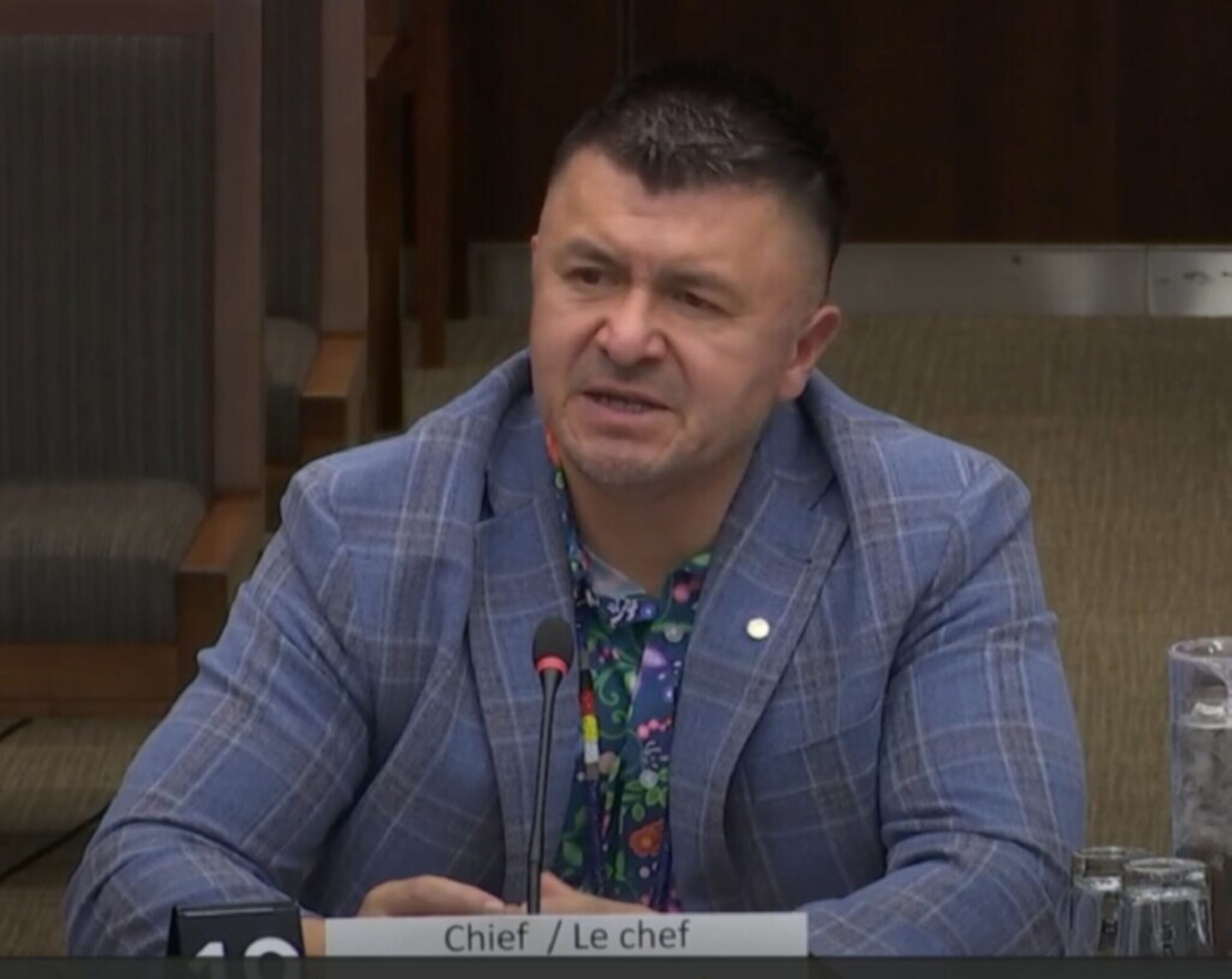
Denny’s own community of Eskasoni was one of the communities targeted by the RCMP, where inventory was bagged and confiscated.
The Assembly of Chiefs (Maw-lukutijik Saqmaq) says that many Mi’kmaw communities are in the process of developing their own cannabis laws. They claim they approached the provincial government as far back as 2018 when the drug was first legalized by the federal government in order to work out understandings between the two nations about the supply, sale and use of cannabis, but feel they were rebuffed.
“Prior to federal legalization of cannabis in 2018, the Maw-lukutijik Saqmaq reached out to share understandings with Nova Scotia on the regulation of cannabis in Mi’kmaw communities. The province rejected those requests,” the chiefs say.
The 13 Nova Scotia Chiefs say that while the province may see the result as illegal sales, that is not the viewpoint of Mi’kmaq leadership or communities.
“The result is exactly what was predicted – a provincial system that does not work in Mi’kmaw communities, leaving the Mi’kmaq to find their own solution,” a public letter from the assembly said.
TREATY RIGHTS
The Mi’kmaw believe that their Aboriginal and treaty rights to conduct business on reserves are protected by the United Nations Declaration on the Rights of Indigenous Peoples (2007).
The Mi’kmaq continue to argue for the right to self-government through treaties that go back to the early part of the 18th century and include jurisdiction over economic development, community safety and the regulation of what happens on their lands.
Presently, the Nova Scotia Liquor Corporation (NSLC) is the only body the provincial government has licensed to sell cannabis and has deemed all other retail outlets to be illegal. The government collects taxes on all sales through the NSLC.
Eskasoni Chief Denny notes that his band and council have a very rare agreement with the provincial government for the NSLC in the community to sell cannabis.
“We want to be clear,” Denny said. “This is an administrative agreement independent from community members’ rights to cannabis dispensaries.’
“At the end of the day, the chief and council support Mi’kmaw sovereignty over our lands and waters.”
TENSIONS CAUSED
Denny commented on the relationship between the RCMP and the Mi’kmaq nation because of the tension caused by jurisdictional disagreements and provincial directives for stronger enforcement of cannabis laws.
“The RCMP are stationed in our communities and were brought in to build trust, transparency and better the relationship with our people. This was necessary after a long and disturbing history with this agency. Directives and actions authorized by an outside government undermines any positive work that’s been done and only furthers the historic patterns of distrust between Mi’kmaq and Crown agencies,” Denny said.
Denny also wrote a letter to his community after a cannabis dispensary was raided in Eskasoni and its product confiscated last week on the same day as three others in Nova Scotia.
He said such unilateral actions by the province are contrary to the principles of reconciliation which require respect and trust and for “colonial” governments to engage with Mi’kmaq leadership as equal partners.
“Recent actions by the province, including legislation aimed at criminalizing our people for public protest over our rights, clearly show that this recent RCMP action is part of a larger initiative by the Province of Nova Scotia to assert jurisdiction and control over our communities and our Aboriginal and Treaty Rights,” Denny said.
He and his council are urging Mi’kmaw leaders across the province and those serving at all levels of government to engage in nation-to-nation discussions to develop Mi’kmaq cannabis regimes that will be respected by all governments.